Book review
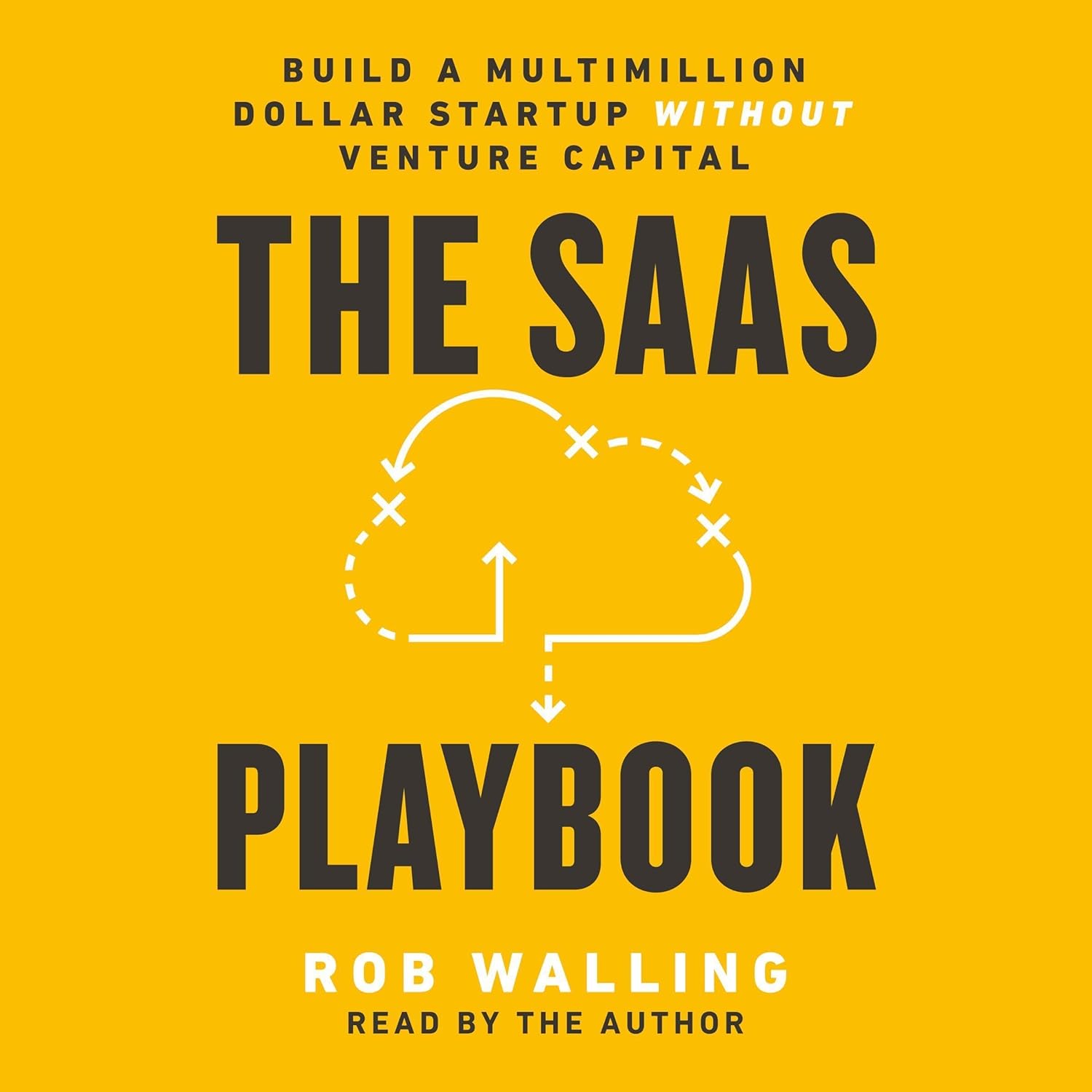
The SaaS Playbook
Rob Walling · 2023
As a developer, it’s easy to believe that building a good product is the hardest part of starting a business. We spend hours thinking about architecture, choosing technologies, solving technical problems, and making sure everything works as it should. But building software that works and building a business that works are two very different challenges.
The SaaS Playbook by Rob Walling helped me look at the second one more seriously.
Code is only part of the equation
What I appreciate most about this book is that it approaches SaaS from the perspective of someone who wants to build a sustainable business, not just launch another product. It covers the things developers often underestimate: choosing the right market, pricing, customer acquisition, retention, and understanding the numbers behind the business.
One idea that particularly resonates with me is that a technically impressive product doesn’t necessarily have a business behind it. You can build a well-architected application, solve complex problems, and deliver a polished experience, yet struggle to get customers because you haven’t figured out who needs it or how to reach them.
I also like the emphasis on starting small, learning from real customers, and growing through revenue rather than assuming that every startup needs investors and aggressive growth. It challenges the tendency to overbuild before there’s enough evidence that the market wants what we’re making.
As someone interested in building products of my own, this book is a useful reminder that marketing, sales, and business strategy aren’t things to figure out after development. They’re part of the process from the beginning.
I’m taking away a simple principle: I don’t want to measure progress only by the amount of software I’ve built, but by whether that software solves a problem people care enough about to pay for.
The SaaS Playbook is worth reading for developers who want to move beyond delivering software for others and learn how to build businesses around their own ideas.